
This guide walks you through evaluating, choosing, and working with local auto repair shops in Canoga Park, CA so your vehicle stays safe and dependable. You’ll find which services local shops commonly offer, how to spot urgent problems, what to do after a collision, and what to expect from clear estimates and financing. We blend practical how-to advice with local context for Canoga Park and the San Fernando Valley so you can search confidently for “canoga park auto mechanic” or “auto repair canoga park ca.” If you need collision help, we cover immediate safety and insurance steps, typical repair phases, and how a shop can support your claim. Later sections look at brand-specific care—especially Subaru—and give a checklist for comparing written estimates and financing options. Use this guide to make informed choices about routine maintenance, emergency repairs, and picking a trusted local provider for “car repair near me” in Canoga Park.
What auto repair services are available in Canoga Park, CA?
Auto repair includes everything from routine maintenance to advanced diagnostics and component replacement. Canoga Park shops typically cover core systems—engine, transmission, brakes, suspension, electrical, and HVAC—so knowing which symptom points to which service helps you decide when to book a visit. Most local shops handle oil changes and inspections, diagnostic scans for check-engine lights, brake service, and tire or battery replacement. Turnaround depends on the job: many routine tasks are same-day or next-day, while major mechanical or collision work can take longer and may require OEM parts that affect scheduling. The table below matches common services to symptoms and recommended triggers so you know what to ask for when you call.
Common services align with specific symptoms and maintenance intervals.
| Service | Symptoms/Signs | Recommended Frequency or Trigger |
| Brakes | Squeal, grinding, vibration, soft pedal | Have brakes inspected immediately at the first sign of noise or reduced stopping power |
| Oil change & maintenance | Dark oil, engine noise, maintenance light | Follow manufacturer intervals or every 3–6 months depending on use |
| Transmission service | Slipping gears, delayed engagement, fluid leak | Inspect when shifting problems appear; flush per manufacturer recommendations |
| Engine diagnostics | Check-engine light, rough idle, loss of power | Diagnose promptly to prevent larger, costlier failures |
| Battery & electrical | Slow cranking, dim lights, accessory failure | Test annually or any time you experience starting issues |
This table helps you match symptoms to services. The next section breaks down brake work in plain terms so you know what to expect during an inspection and repair.
Brake Repair Canoga Park
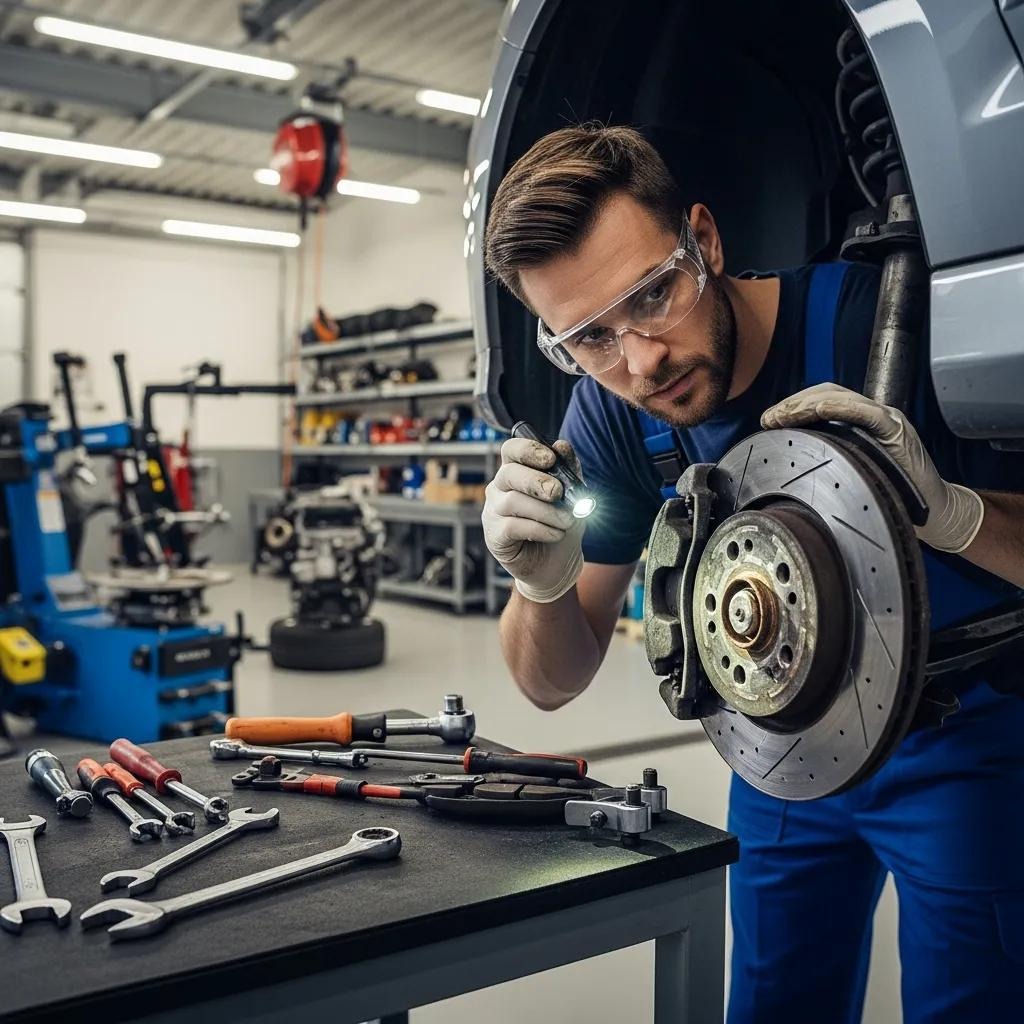
Brake repair is safety-critical and starts with a thorough inspection measuring pad thickness, rotor condition, and hydraulic function. A proper check includes pedal feel testing, listening for noises, and inspecting pads, rotors, calipers, and brake lines to determine whether resurfacing, pad replacement, or caliper service is needed. Common jobs are pad replacement, rotor machining or replacement, and caliper servicing; reputable shops usually offer a parts-and-labor warranty for brake work. Routine pad and rotor jobs are often same-day or next-day when parts are in stock, while hydraulic or ABS repairs can take longer. Knowing these steps helps you ask the right questions about OEM vs. aftermarket parts, timeline, and warranty before you approve work.
Oil Change and Vehicle Maintenance Canoga Park
Regular oil changes and scheduled maintenance are the foundation of a long-lasting vehicle. Start by using the oil type your manufacturer recommends—conventional, synthetic blend, or full synthetic—based on your car and driving habits. A quality service includes an oil and filter change, a multi-point inspection (belts, fluids, brakes, tires), and topping off other fluids; shops that follow OEM guidelines help protect your warranty. Interval needs depend on vehicle age and driving conditions—newer highway-driven cars can often go longer with synthetic oil, while older or stop-and-go vehicles need more frequent service. Preventive visits let technicians spot early wear so small fixes dodge major repairs later, helping maintain reliability and resale value. The next section explains what to do right after an accident and how collision repairs interact with insurance.
Where to turn for Collision Repair and accident support in Canoga Park
After a crash, collision centers coordinate technical and administrative steps to restore your vehicle and assist with insurance. The typical collision workflow begins with a detailed estimate and photo documentation, moves to disassembly to find hidden damage, then proceeds through structural and mechanical repairs, paint and refinishing, and finally quality assurance and safety-system recalibration (including ADAS when required). Timelines vary with damage severity: minor cosmetic jobs can finish in days; structural repairs that require parts and insurer approval can take weeks. Local collision centers can prepare written estimates, work with insurers, and arrange rental transportation. Knowing each stage and likely timelines reduces uncertainty—see the table below for a clear breakdown of steps, what happens at each one, and the insurer’s typical role.
A step-by-step overview makes the collision repair process easier to follow.
| Collision Repair Step | What Happens | Typical Timeline/Insurance Role |
| Initial estimate & documentation | Shop documents visible damage, takes photos, and prepares a written estimate | 1–3 days; insurer may order an independent appraisal |
| Disassembly & hidden damage assessment | Technician removes panels to inspect for concealed issues | 1–7 days depending on findings; insurer is updated as needed |
| Structural & mechanical repairs | Frame straightening, part replacement, and mechanical fixes | Several days to weeks; parts lead times and approvals affect schedule |
| Paint, finish & blending | Surface prep, painting, color blending, and curing | 2–7 days depending on shop capacity and paint matching |
| QA, recalibration & hand-off | ADAS calibration, road test, and final inspection | 1–3 days for final checks; insurer may require final sign-off |
This table clarifies each stage. The next subsection explains the technical phases of collision repair in accessible terms so you know what to expect from an auto body shop.
Collision Repair Process and Auto Body Services
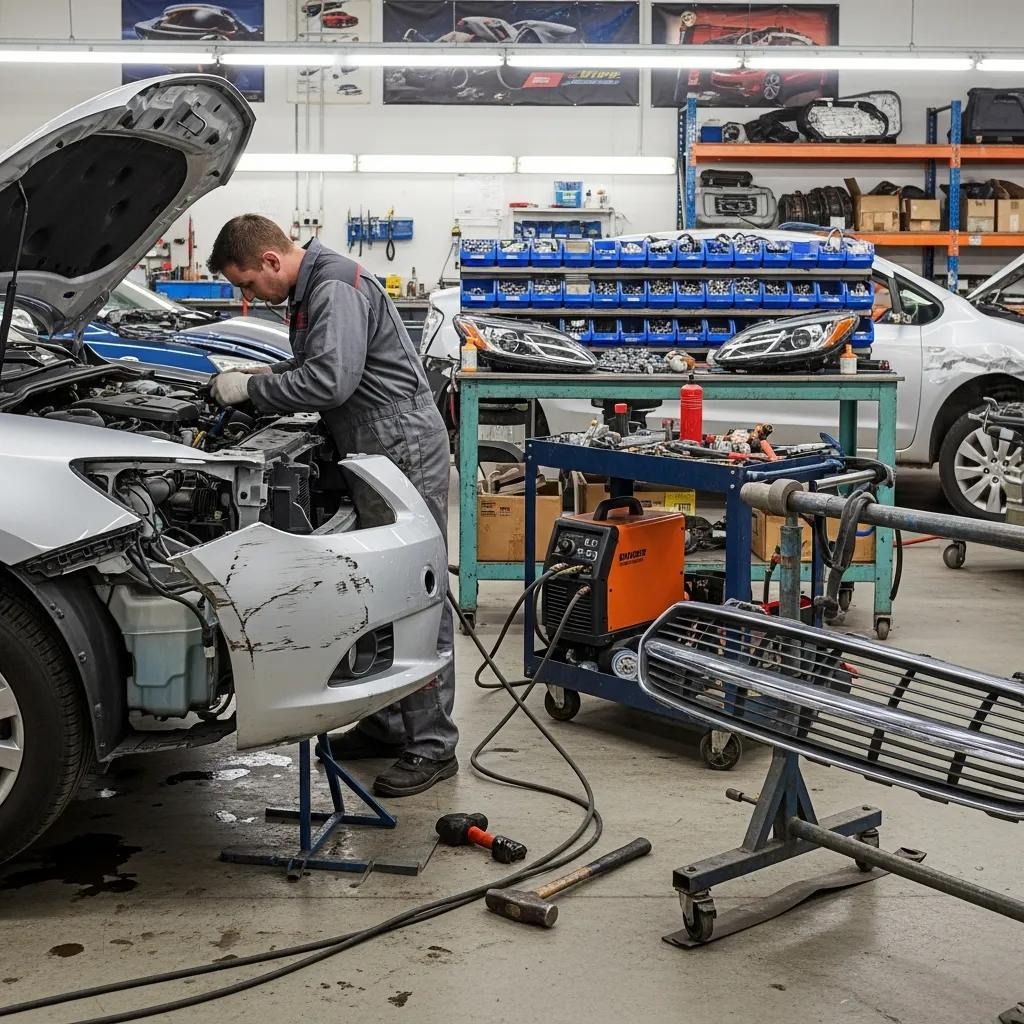
Collision repair typically breaks into inspection, structural/mechanical restoration, cosmetic work, and final safety checks. Technicians use frame machines, welding, and paint booths to return a vehicle to pre-accident condition. During disassembly, shops look for hidden damage to engine mounts, suspension, or frame parts that aren’t visible in the initial estimate. Modern repairs often need ADAS recalibration after part replacement to keep safety systems working correctly. Paint work focuses on color matching and panel blending so the repair looks seamless, and quality assurance includes road tests and diagnostic checks to confirm integrity. Timelines depend on parts availability and insurer approvals; trustworthy shops provide written schedules and regular updates so you’re never left wondering. Understanding these phases helps you evaluate whether a shop follows proper protocols and uses OEM or equivalent replacement parts when appropriate.
Insurance Claim Assistance in Canoga Park
A collision center that helps with insurance claims can speed the process by preparing detailed estimates, supplying photos and documentation, and communicating directly with adjusters to clarify scope and speed approvals. You should collect the accident report, photos, and repair estimates; the shop can add line-item estimates, damage photos, and a repair timeline to support your claim and resolve disputes over parts or procedures. To avoid delays, confirm whether the shop will handle insurer communication, provide rental-car guidance, and issue warranty documentation for repaired components. Ask how the shop advocates for OEM parts or certified repair methods so you get a fair estimate and a quality restoration. The next section covers how to choose a shop for brand-specific work—why Subaru expertise matters and how all-makes shops operate.
Why BrazzersMotors stands out for Subaru and all-makes service in Canoga Park
Choosing a shop with brand knowledge improves diagnosis accuracy and protects brand-specific systems; an all-makes capability means the same facility can handle a wide range of foreign and domestic models with the right tooling and access to OEM parts. For Subaru owners, technicians familiar with common issues—AWD upkeep, head gasket concerns on certain older engines, and timing assembly maintenance—apply targeted diagnostics and preventive recommendations. Shops that service all makes demonstrate cross-brand diagnostic flexibility and can source OEM-level parts to support warrantyable repairs across Asian, European, and domestic vehicles. BrazzersMotors is a full-service auto repair and collision center in Canoga Park that emphasizes ASE-certified technicians, OEM parts when appropriate, free written estimates, and same-day or next-day turnaround for many jobs—examples of what to look for when choosing a trusted local provider. Knowing the difference between brand specialists and generalists helps you pick the right shop for your car and your needs.
The paragraph above explains why brand-specific knowledge and quality parts matter; the next subsection focuses on Subaru-specific care.
Subaru Repair Specialists in Canoga Park
Subaru service focuses on all-wheel-drive systems, boxer-engine quirks, and preventive checks for cooling and head-gasket issues that affect some older models. Specialist technicians use targeted diagnostics for AWD drivetrain parts, inspect boxer engines for oil leaks, and follow manufacturer-recommended maintenance intervals to avoid long-term failures. When a shop keeps Subaru expertise on staff, you’re more likely to get a correct first-visit diagnosis and proper part selection, reducing repeat trips and surprise costs. For Subaru owners, choose a shop that documents OEM parts use and provides clear written estimates and warranty terms so specialized systems are maintained correctly. The next subsection shows how that expertise translates to servicing many other makes and models.
Servicing All Makes and Models in Canoga Park
Shops that handle all makes combine diagnostic scanners, manufacturer service literature, and technician training to apply correct procedures across Asian, European, and domestic vehicles without cutting corners. Technicians cross-reference service bulletins and use the right fluids, calibration routines, and parts for each brand to protect performance and warranty coverage. Using OEM parts when specified preserves safety systems and long-term reliability; good shops also offer high-quality aftermarket options when appropriate and clearly document those choices. For drivers, confirming a shop’s experience with your vehicle make, parts policy, and warranty practices reduces risk and gives peace of mind when scheduling major repairs. The next section explains how to get transparent pricing and financing when repairs are needed.
How to get transparent pricing, financing, and upfront estimates
Transparent pricing begins with a detailed written estimate that breaks out parts, labor hours, taxes, and estimated turnaround so you can compare shops and insurer offers side by side. A full estimate identifies proposed parts (OEM or aftermarket), labor time, warranty terms, and contingencies for hidden damage so you understand possible changes after disassembly. When comparing quotes, ask whether taxes, disposal fees, and shop supplies are included and whether the shop offers financing or payment plans for larger jobs. The table below compares typical services, common triggers, and what a transparent shop should provide so you know what to request during a free estimate appointment.
This comparison table helps you evaluate estimates for common repairs quickly.
| Service | Typical Issue/Trigger | What the Shop Provides (estimate, warranty, turnaround) |
| Oil Change | Scheduled maintenance or dirty oil | Free written estimate for related maintenance items, same-day turnaround, short-term service warranty |
| Brake Repair | Noise, vibration, soft pedal | Itemized parts & labor estimate, recommended repairs, warranty on parts and labor, 1–2 day typical turnaround |
| Collision Repair | Post-accident damage | Detailed written estimate with photos, insurer coordination, warranty on structural and paint work, timeline estimate |
Reviewing these items lets you request clear documentation. Below we outline what a proper written estimate includes and how financing options typically work.
Free Written Estimates Before Repairs
A complete free written estimate lists parts with part numbers or clear descriptions, labor hours and rates, taxes and fees, and a projected timeline so you can compare offers and authorize work confidently. The estimate should state whether OEM parts will be used or if equivalents are proposed, and include warranty terms for parts and labor so you know what protection you have after the repair. Asking for a line-item estimate lets you question specific components and labor entries, preventing surprise charges. A written estimate also creates a documented baseline for insurer negotiations and future warranty claims—especially useful after collision repairs.
Financing Options and Payment Plans
Many shops offer financing through third-party partners or in-house plans to help customers manage large repair bills while keeping repair timelines on track. Options can include installment plans or deferred-payment programs. When evaluating financing, ask about interest rates, term length, any deferred-interest conditions, and whether financing affects warranty coverage or scheduling. Short-term financing can avoid delaying critical repairs but may increase total cost; paying by credit card can offer rewards or consumer protections. Request written financing terms before committing so you understand obligations and can keep repairs moving.
How BrazzersMotors engages locally and where to find us
Local engagement means clear communication, visible service policies, and easy scheduling so drivers can request estimates, drop off vehicles for same-day service, or get collision help after an accident. BrazzersMotors is a full-service auto repair and collision center at 20930 Sherman Way, Canoga Park, CA 91303. We provide free written estimates, ASE-certified mechanics, OEM parts when appropriate, and same-day or next-day repairs for many jobs—examples of what to prioritize in a local provider. When choosing a shop, look for straightforward booking steps, clear written estimates, and transparent warranty and parts policies so you can proceed with confidence. The sections below list neighborhoods we commonly serve and explain what to prepare when calling to schedule.
Canoga Park Area Coverage
Local shops typically serve Canoga Park and surrounding neighborhoods across the San Fernando Valley, offering convenient drop-off and towing coordination when needed for larger repairs. Nearby coverage affects pickup logistics and parts delivery times, so knowing a shop’s typical service radius sets realistic expectations for turnaround. Routine maintenance is often accommodated same-day; larger collision projects usually require scheduled intake and parts ordering. If you’re outside the shop’s regular radius, ask whether they coordinate with local towing services or partner facilities to manage larger repairs efficiently.
Schedule, Contact, and Hours
When you call to schedule, have your vehicle’s make, model, year, and VIN if available, and a short description of symptoms or damage ready to speed triage and let the shop prepare parts and labor estimates. Contact by phone or via the shop’s business listing usually starts the process; request a free written estimate and ask what documentation the shop needs for insurance claims or warranty records. For collision inquiries, provide photos and ask whether the shop will handle insurer communication and rental-car referrals during repairs. Being prepared helps ensure a timely, accurate assessment and reduces delays once work begins.
- Vehicle make, model, year, and VIN if available.
- Clear description of symptoms or damage and any warning lights.
- Photos of visible damage for collision estimates and insurance.
- Insurance claim number if applicable and your insurer’s contact details.
These items streamline booking and intake and make it easier for the shop to deliver a precise written estimate and timely repairs.
Frequently Asked Questions
What should I do if my car breaks down in Canoga Park?
Your safety comes first. Move the car to a safe spot if possible, turn on hazard lights, and set warning triangles if available. Call a local tow or your roadside assistance provider. If you have a preferred shop, let them know so they can prepare for your vehicle’s arrival. Keep emergency numbers handy and consider a roadside plan to simplify future incidents.
How can I find a reliable auto repair shop in Canoga Park?
Start with recommendations from friends, family, or coworkers, then check online reviews on Google or Yelp for consistency. Look for shops with ASE-certified technicians and clear warranties on work. Visit the shop to gauge professionalism and customer service, and make sure they provide transparent estimates and have experience with your vehicle’s make and model.
What are the signs that my vehicle needs immediate repair?
Seek immediate service for unusual noises (grinding or squealing), dashboard warning lights (like the check-engine light), fluid leaks, or sudden changes in handling (pulling to one side or severe vibration). Reduced braking performance or excessive vibration are critical signs—address them promptly to avoid further damage or safety risks.
Are there financing options available for auto repairs?
Yes. Many shops offer third-party financing or in-house payment plans to help spread the cost of larger repairs. When considering financing, ask about interest rates, repayment terms, and any effects on warranty or scheduling. Read the terms carefully so the plan fits your budget and repair timeline.
How often should I have my vehicle serviced?
Service frequency depends on your vehicle, driving conditions, and the manufacturer’s recommendations. Generally, oil changes fall between 3,000 and 7,500 miles; brake inspections and tire rotations are commonly needed every 5,000 to 10,000 miles. Refer to your owner’s manual for the precise schedule and adjust based on your driving habits.
What should I expect during a collision repair process?
Expect an initial inspection and a detailed estimate, followed by disassembly to uncover any hidden damage. Structural and mechanical repairs come next, then paint and refinishing, and finally QA checks and system recalibration. A good shop keeps you informed about timelines and any estimate changes throughout the process.
How can I prepare for my visit to an auto repair shop?
Bring your vehicle’s make, model, year, and VIN, and document the symptoms you’ve noticed. For collision work, take photos of visible damage and have your insurance claim number and insurer contact information ready. This preparation helps the shop provide an accurate estimate and speeds up the repair process.
Conclusion
Choosing the right auto repair shop in Canoga Park keeps your vehicle safe and reliable. By understanding local services and insisting on transparent pricing, you can make confident decisions that protect your investment. Reach out for a free written estimate and see how BrazzersMotors can help—schedule an appointment today and experience reliable, professional service you can trust.